Bayelsa boat tragedy calls for establishment of Nigeria Coast Guard
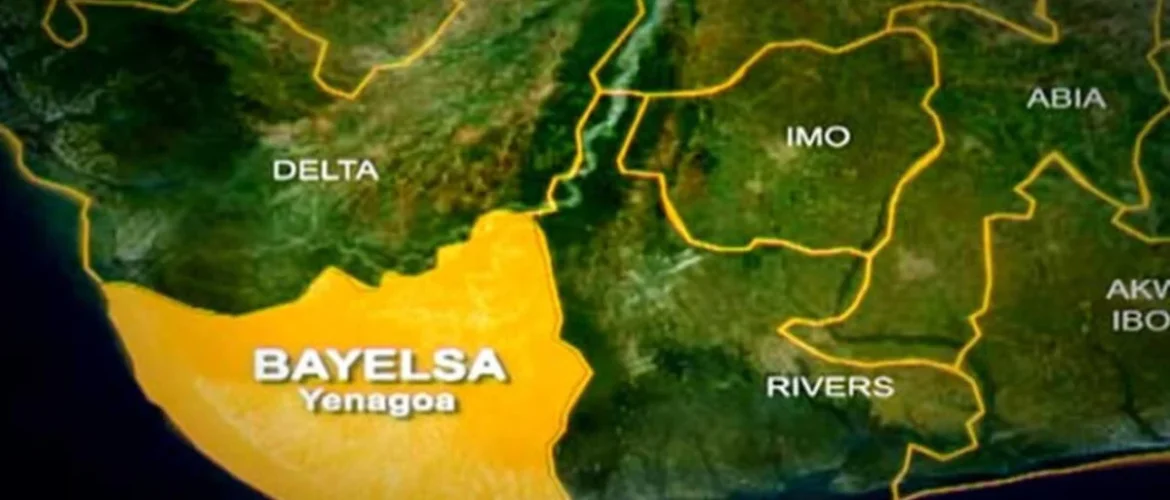
The recent boat accident that claimed lives in Bayelsa State has renewed calls for the establishment of a fully operational Nigeria Coast Guard to strengthen safety, security and emergency response across the country’s waterways.
The latest incident occurred on Friday, November 20, 2026, at the river junction between Oweikorogha and Otuan communities in Southern Ijaw Local Government Area of Bayelsa State.
The passenger boat was reportedly travelling from Ayama to Ukubie community for a burial ceremony when it developed mechanical problems at about 11 a.m.
According to preliminary accounts, some passengers allegedly appealed to the boat operator to steer towards the riverbank after the mechanical fault developed.
The boat, however, continued navigating the waterway before eventually capsizing at the Oweikorogha-Otuan river junction.
In a press statement issued on behalf of maritime stakeholders on Monday, maritime and security expert, Captain Abdul Azeez Ayodele Aloba, said the incident had heightened concerns over the safety of passengers using Nigeria’s inland waterways and the capacity of existing agencies to respond swiftly to emergencies.
Maritime stakeholders said the tragedy underscored the need for improved passenger safety standards, regular monitoring of water transport operators, emergency response systems and properly coordinated search-and-rescue operations.
They argued that a well-equipped Coast Guard could provide an additional institutional framework for maritime surveillance, rescue operations, environmental protection and enforcement of relevant regulations.
The stakeholders renewed their appeal to the leadership of the Nigerian Senate, particularly the Senate President and other senators, to expedite legislative action on the proposed establishment of the Nigeria Coast Guard (NCG).
They said the agency would help protect lives and property, safeguard Nigeria’s marine resources, strengthen maritime security and support economic activities across the country’s coastal and inland waterways.
ALSO READ: Bayelsa tragedy: Ibadan rally will be low-key, devoid of much fanfare – Tinubu
With more than 850 kilometres of coastline and an extensive network of rivers, creeks and inland waterways, the stakeholders maintained that Nigeria required a specialised maritime institution capable of responding promptly to safety and security challenges on its waters.
They also identified gaps in the existing maritime security architecture, particularly in search and rescue, environmental monitoring, maritime law enforcement and inland waterways safety.
According to them, the absence of a dedicated civilian maritime agency with broad responsibilities in these areas had continued to expose passengers, coastal communities, businesses and other economic assets to avoidable risks.
The stakeholders further argued that the proposed Coast Guard could complement the responsibilities of existing security and maritime agencies rather than duplicate their functions, provided its mandate was clearly defined by law.
They noted that Nigeria’s organised maritime administration had historical roots dating back to February 16, 1914, but said the outbreak of the Nigerian Civil War subsequently shifted national attention towards military and naval operations, leaving some civilian maritime safety responsibilities inadequately developed over the years.
They therefore believed that establishing a Coast Guard could help address some of the institutional gaps by providing a dedicated platform for maritime safety, emergency response, environmental protection and enforcement of maritime regulations.
The renewed campaign is also coming against the backdrop of the Federal Government’s focus on the blue economy as part of efforts to diversify Nigeria’s economy.
The stakeholders said the creation of the Federal Ministry of Marine and Blue Economy demonstrated the administration of President Bola Ahmed Tinubu’s commitment to developing Nigeria’s ocean and maritime resources for economic growth, employment generation and national development.
They also commended the Minister of Marine and Blue Economy, Dr Adegboyega Oyetola, for initiatives aimed at strengthening the maritime sector and promoting major infrastructure projects, including developments around the Ibom Deep Seaport in Akwa Ibom State and the Bakassi Deep Seaport in Cross River State.
According to the stakeholders, the proposed Coast Guard would complement ongoing reforms and initiatives of the ministry by strengthening Nigeria’s capacity to secure its maritime domain and protect lives and economic assets.
They added that a stronger maritime security framework would support the growth of fisheries, coastal transportation, tourism, marine commerce and other activities within the country’s emerging blue economy.
The stakeholders consequently urged the Senate leadership and the National Assembly to give urgent legislative consideration to the proposed Nigeria Coast Guard.
They also called on the Federal Government to sustain its commitment to the Renewed Hope Agenda by strengthening maritime institutions, improving safety on inland waterways and creating an enabling environment for Nigeria to realise its potential as a leading maritime nation in Africa.
They stressed that the establishment of a fully operational Nigeria Coast Guard should be viewed not merely as an institutional demand, but as a strategic national necessity for protecting lives, securing marine resources and unlocking the economic potential of Nigeria’s waterways.
WATCH TOP VIDEOS FROM NIGERIAN TRIBUNE TV