

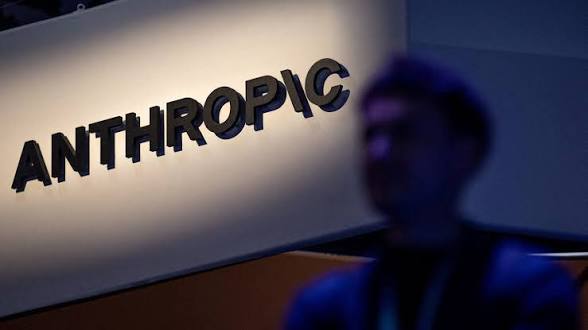
Anthropic’s $81bn IPO tests investor appetite for costly AI expansion
Anthropic has raised $81.3 billion in its Initial Public Offering (IPO), setting a new record for a stock market listing as investors place a $1.5 trillion valuation on the artificial intelligence company despite mounting infrastructure costs and operating losses.
The company, which develops the Claude AI models, priced 980 million shares at $83 each, above its initial offer range. The listing surpasses SpaceX’s June 2026 offering and Saudi Aramco’s $29.4 billion IPO in 2019.
A further $26 billion was raised through a private placement of shares at the IPO price, taking the total transaction to $107.3 billion.
Goldman Sachs and Morgan Stanley are leading a 22-bank underwriting syndicate, while Anthropic’s shares are scheduled to trade on the Nasdaq under the ticker symbol ANT.
The scale of the fundraising comes against a sharp acceleration in the company’s commercial growth. Anthropic’s annualised revenue run rate reached $81 billion as of October 31, compared with $14 billion announced in February, when it secured $30 billion in Series G funding at a $380 billion valuation.
Its enterprise customer base has expanded alongside revenue. The company had 11,900 customers generating at least $100,000 in annual revenue as of September 30, compared with more than 1,500 at the end of 2025.
But the economics of that growth present a more complicated picture.
Anthropic spent nearly $9 billion on computing capacity and infrastructure in the first half of 2026, almost four times the amount recorded a year earlier, before incurring another $5 billion in computing costs in the third quarter.
Despite a 47 percent quarter-on-quarter increase in third-quarter revenue to $16.96 billion, the company posted an operating loss of $567 million, compared with operating income of $974 million in the second quarter.
Its infrastructure commitments are also substantial. Anthropic has committed nearly $900 billion in computing expenditure with partners, including Amazon and Google, creating significant financing and delivery requirements as it scales its operations.
The IPO therefore presents investors with two competing measures of the company’s prospects: rapidly expanding enterprise demand and the enormous cost of building the computing capacity needed to support it.
The listing could also provide a valuation reference point for other AI companies considering public offerings, particularly OpenAI, which could seek to go public as early as 2027.