

Elumelu to Investors: Africa is the Century’s Best Business Bet – THISDAYLIVE
Follow THISDAYLIVE on GoogleAdd us as a preferred source to see more of our stories in Google
Mary Nnah
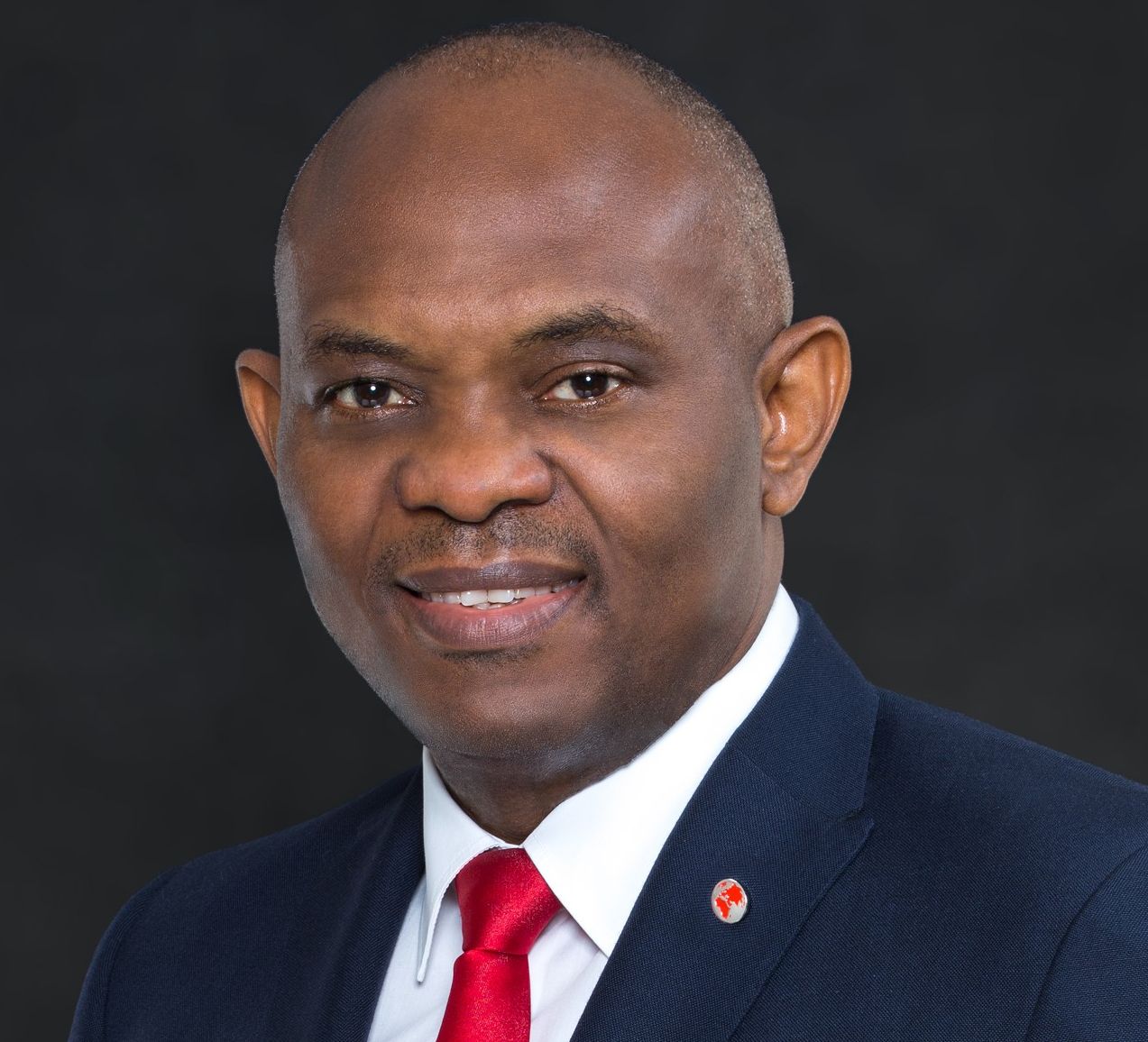
Chairman, Heirs Holdings, Tony Elumelu, has stated that Africa is no longer a charity case or a raw-materials supplier stressing that the continent is the world’s most compelling investment opportunity.
Speaking at the WIMBIZ 25th Annual Conference in Lagos, he said returns will go to those who build African capital, African value chains, and African institutions now.
Delivering the keynote themed, “Rooted, Rising, Ready: Born in Africa, Built for the World,” the he framed his address around one business question: “The Geography of Opportunity: Why the World Needs What Africa.” His answer was blunt: demographics, resources, and timing are on Africa’s side.
“By 2050, Africa’s working-age population will grow by hundreds of millions while the rest of the world ages. The continent holds the minerals for the energy transition, plus land, sun, rivers, and a rapidly expanding consumer market.
“This is the single greatest commercial opportunity of this century, and it is ours. The question is not whether Africa will be the growth story of this century. It is who will own it”, Elumelu said.
Elumelu identified three constraints blocking that growth: power, value, and capital. On power, he said industrialisation and the AI economy are impossible without electricity.
“Africa has young, creative minds. What they lack is the grid. Fix electricity, and Africa will take off,” Elumelu noted.
On value, he urged a shift from extraction to processing. “For a hundred years, the question asked of Africa has been: how much can be extracted? I want to change the question. How much value can be created here? Refine it. Process it. Brand it. Then sell it to the world.”
On capital, he said the aid era is ending. Aid budgets collapsed in 2025 and fell again this year. “Aid at its best kept people alive. It rarely made them owners. The future is investment and trade, not aid.”
That future, he argued, must be financed by African savings: pension funds, insurers, banks, and family offices investing in African businesses.
He cited Seplat as proof. The London and Lagos-listed oil company has seen its share price move from £3 to £9 since Heirs’ investment, reaching a $7 billion market cap. He also pointed to Aliko Dangote mobilising retail African investors for the Refinery IPO as evidence of a new dawn for domestic capital formation.
Elumelu added a fourth priority: intra-African trade. Less than a fifth of Africa’s trade is with itself. It is still easier to ship goods from Lagos to Liverpool than from Lagos to Luanda.
The African Continental Free Trade Area, the largest free trade area in the world by number of countries, “will remain a document until businesses use it,” he said.
That requires roads, railways, ports, payment systems, efficient customs, and predictable regulation.
His own experience building UBA into 20 African countries, he said, disproved the idea that Africans would not bank across borders.
For Elumelu, inclusive prosperity is a competitiveness issue. Through the Tony Elumelu Foundation, he and Dr. Awele Elumelu have deployed over $120 million in seed capital to 24,633 entrepreneurs across 54 African countries, “48 per cent are women, selected purely on business-plan quality. Those businesses have created over 1.5 million jobs and generated more than $4.2 billion in revenue.”
He cited three $5,000 bets: Princess Adeyinka Tekenah’s Happy Coffee, now over 1,000 jobs; Olamide Ayeni-Babajide’s tyre-recycling company, revenue up more than 20-fold; and Nkem Okocha’s Mama Moni, closing the credit gap for low-income women.
“This year, 265,529 young Africans applied for the Foundation programme. Only 3,200 were funded, one in every 83. “That is not a shortage of talent; it is a shortage of capital. Inside his own group, he said the business case is already proven. Heirs Holdings has 8 female Chairpersons/CEOs, including Owen Omogiafo at Transcorp Group, Uzo Oshogwe at Transcorp Hotels, and Somachi Chris-Asoluka at the Foundation. UBA has 8 more female CEOs across Africa. I would never leave half my balance sheet idle. Why should a continent?” he said.
Elumelu closed with a message to policymakers and CEOs alike: “Investors ask the same questions everywhere. Will the contract be honoured? Will the regulator be predictable? Will the courts work? Will the power stay on?“Capital goes where it is safe, and it stays where it is respected. Create the right conditions, and they will come.”
He also challenged business leaders to build institutions themselves, by paying taxes properly, publishing accounts, promoting on merit, and refusing shortcuts.