

EXPLAINER: What Nigerians should watch out for as 2027 elections draw closer
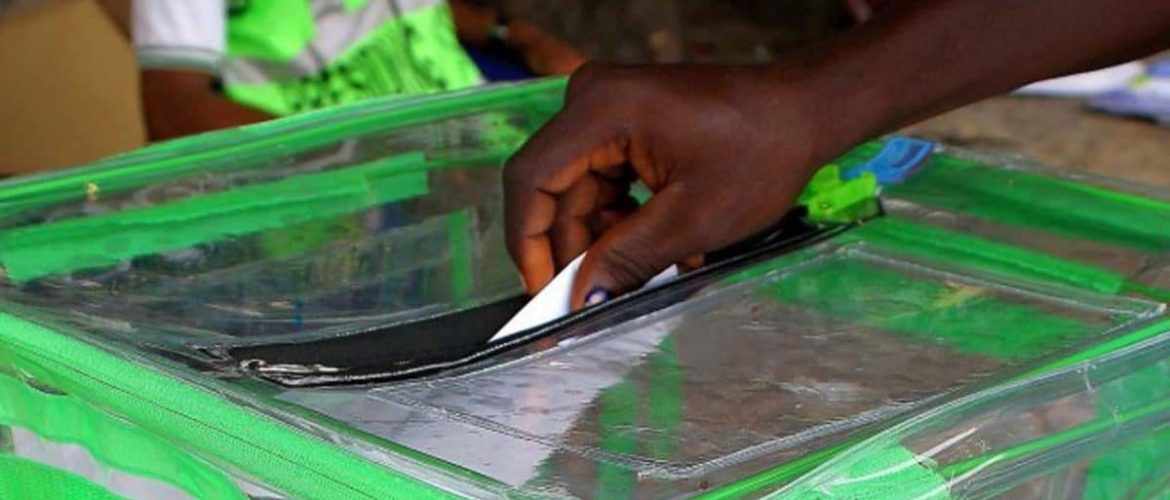
As the 2027 general election approaches, political activities are expected to intensify as parties and their supporters make moves to advance their interests and secure voters’ support.
However, some of these activities may involve attempts to manipulate public opinion and influence voters’ decisions through misleading information, coordinated online campaigns and other forms of information manipulation.
To help voters recognise and guard against such tactics, Martins Ayotunde and Kunle Adebajo, representatives of Code for Africa (CfA), a digital democracy and civic technology organisation, highlighted the importance of fact-checking and digital tools in combating information manipulation while addressing 150 selected journalists at TikTok’s 2027 Nigeria Election Media Workshop held in Ibadan, Oyo State, on Friday.
In this article, Tribune Online presents some of the tactics and narratives voters should watch out for, according to CfA.
Manipulated content
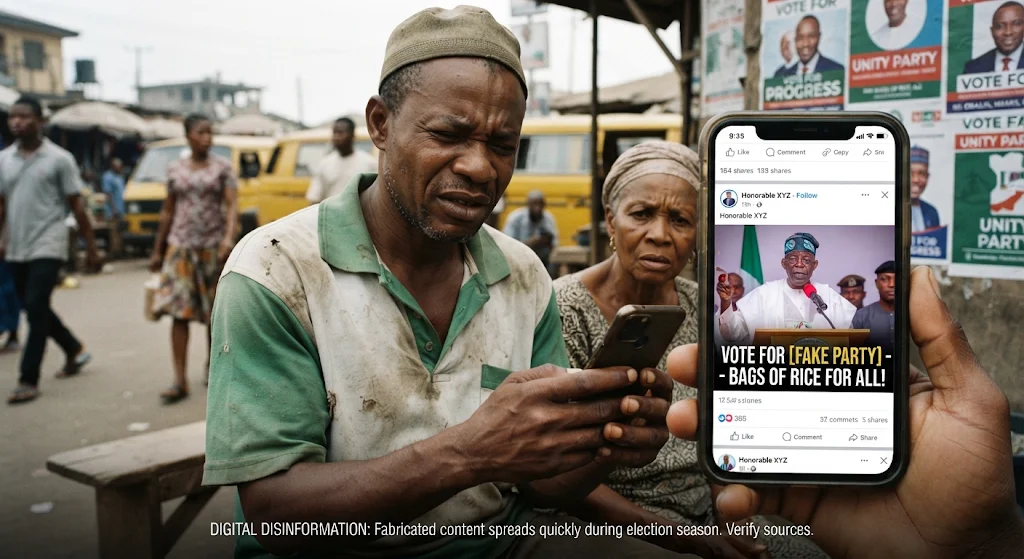
This involves creating, altering or repurposing digital content to mislead audiences and promote particular narratives. It may include fabricating images, videos or documents or manipulating authentic materials to make them appear to support false claims.
Such content can make misinformation seem credible, shape public perceptions and amplify disinformation, particularly during election campaigns. Voters should be cautious about images, videos and documents circulating online, especially when their sources cannot be verified.
Copypasta
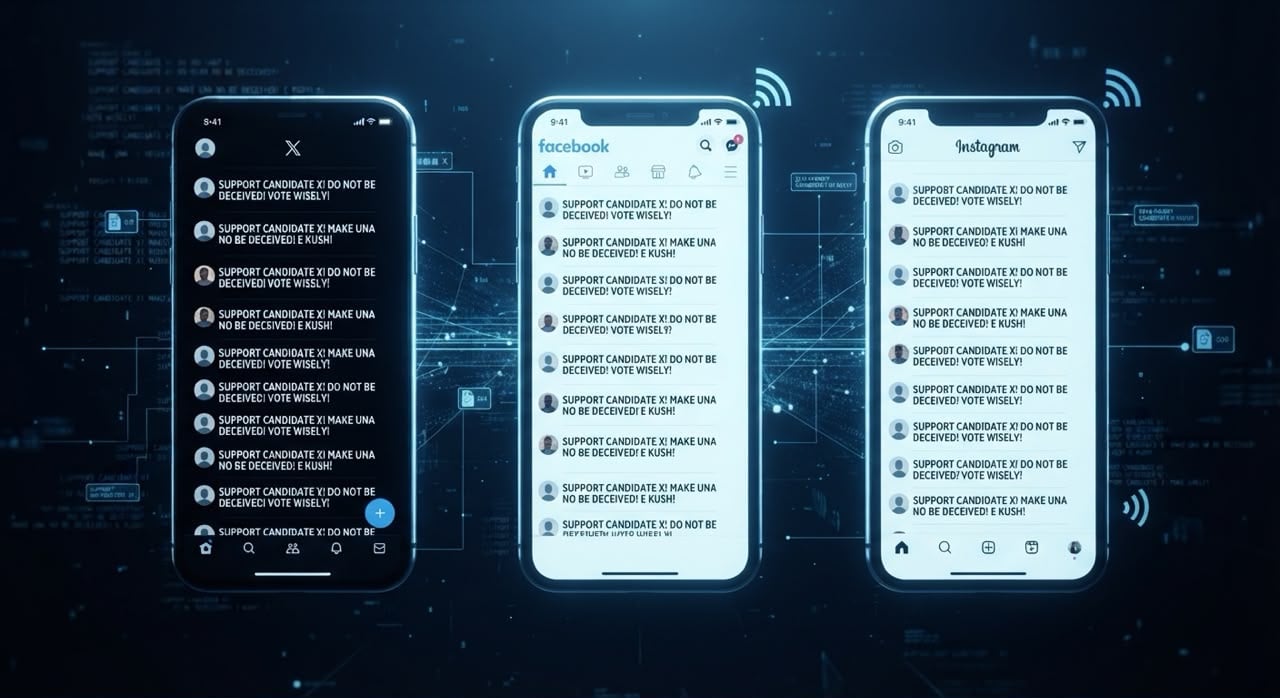
Copypasta involves repeatedly copying and sharing identical or nearly identical messages across social media platforms, comment sections, online forums and messaging groups. By flooding online spaces with repetitive messages, those behind such campaigns can create the impression that a particular opinion enjoys widespread support.
This tactic can manufacture a false sense of consensus, amplify political messaging and make coordinated campaigns appear to represent genuine public opinion.
Misleading political narratives
In social media investigations, narratives refer to dominant themes, stories or messaging patterns promoted or amplified to shape public perception and influence conversations.
They may be spread through posts, videos, captions, hashtags and coordinated online interactions.
Analysing patterns in these activities can help identify disinformation campaigns, influence operations and propaganda.
Some narratives voters should be cautious about include:
‘Non-indigenes are a threat’

This narrative often emerges during discussions about identity, belonging and political representation in Nigeria, particularly during election periods.
It is used by political actors, supporters and commentators to portray people considered non-indigenes or outsiders as threats to local interests, political control and access to public resources.
Such messaging can deepen ethnic divisions, encourage hostility and influence how voters perceive candidates and political groups.
‘We’ve already won’

This narrative frequently emerges during closely contested elections when political parties and their supporters attempt to shape public perceptions of the outcome before official results are announced.
Supporters may circulate fabricated election results, unofficial vote tallies or misleading victory claims, presenting them as evidence that their preferred candidates have won.
Such claims can mislead voters, create unnecessary tension and undermine confidence in the electoral process.
Voters should rely on official announcements from the Independent National Electoral Commission (INEC) rather than unofficial results circulating online.
‘X candidate is an extremist’
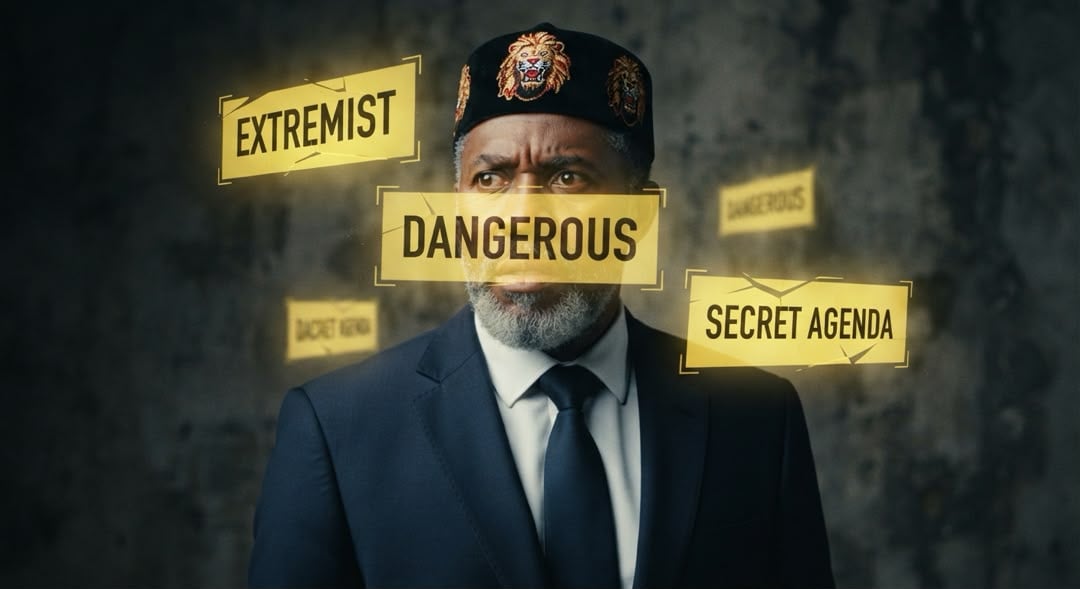
This narrative often surfaces during election campaigns, particularly when candidates’ religious, ethnic or ideological identities become subjects of political contestation.
Political actors, supporters and commentators may portray rival candidates as extremists by accusing them of pursuing an Islamisation agenda, maintaining links with Boko Haram or supporting other forms of religious extremism.
Such allegations may be circulated without credible evidence to discredit candidates, exploit religious divisions and influence voters’ decisions.
Voters should verify such claims through credible sources before accepting or sharing them.
How to identify information manipulation and interference (IMI) narratives
Recognising coordinated information manipulation requires paying attention to the behaviour of social media accounts, the content they share and how they interact with one another.
Here are some indicators to watch out for:
Check timestamps
Pay attention to the timestamps of posts to identify possible bot accounts, sock puppets, content seeders and amplifiers.
Look out for synchronised activities, such as several accounts publishing similar messages at the same time or repeatedly engaging with the same content.
Analyse social media accounts
Examine the accounts sharing suspicious information, including their biographies, profile pictures and behavioural patterns.
Look out for unusual account activities, inconsistent identities or profiles that appear to have been created primarily to promote particular political messages.
Check whether suspicious posts appear to be part of organised promotional campaigns.
Indicators may include heavy involvement by digital marketers, self-advertised public relations accounts and engagement farming activities, such as giveaway raffles designed to generate likes, comments and shares.
Check page transparency details
Review the transparency information available on social media pages.
This may reveal the locations of page administrators, previous page names and other details that could help establish the identity or activities of those managing the accounts.
Check advertising libraries
Use social media advertising libraries to investigate the history of promoted posts and political advertisements.
This can help establish whether a particular message has been sponsored or amplified through paid advertising.
Watch out for inflammatory keywords
Pay attention to emotionally charged statements designed to provoke reactions, encourage sharing or generate engagement. Examples include, ‘Share before it’s too late!’, ‘Share before they delete it!’, ‘Our people are under attack!’
‘The media will never show you this!’
Such expressions may be used to create urgency, provoke fear or discourage audiences from verifying information before sharing it.
Examine interactions between accounts
Observe how accounts within a suspected network engage with one another.
Do they repeatedly comment on, share and amplify each other’s posts to increase visibility?
Unusual patterns of mutual engagement may indicate coordinated activity rather than independent public reactions.
Look out for common hashtags and unusual posting patterns
Pay attention to unique hashtags repeatedly used by different accounts or unusual posting patterns, such as multiple accounts tagging the same individuals or organisations.
These similarities may help reveal coordinated efforts to push particular political messages.
Check for copied or AI-generated content
Review the general posting patterns of accounts sharing political information.
Look out for copypasta, AI-generated text, similar scripted talking points and multiple accounts sharing the same images or screenshots.
Repeated similarities may suggest that the content is part of an organised messaging campaign.
Investigate the people and organisations behind the information
Establish whether individuals, organisations or institutions are who they claim to be.
For instance, when a press release is attributed to an organisation, check whether the organisation actually exists and whether it has a verifiable online presence.
Also examine the credibility of websites, their publication history and possible affiliations or biases.
Examine the timing of posts
Consider when suspicious content appears in relation to real-world events.
A sudden surge in similar posts following a political announcement, security incident or election-related development may indicate an attempt to influence public discussion or exploit the situation.
WATCH TOP VIDEOS FROM NIGERIAN TRIBUNE TV