Firms partner to boost food distribution, stabilise prices in North – Daily Trust
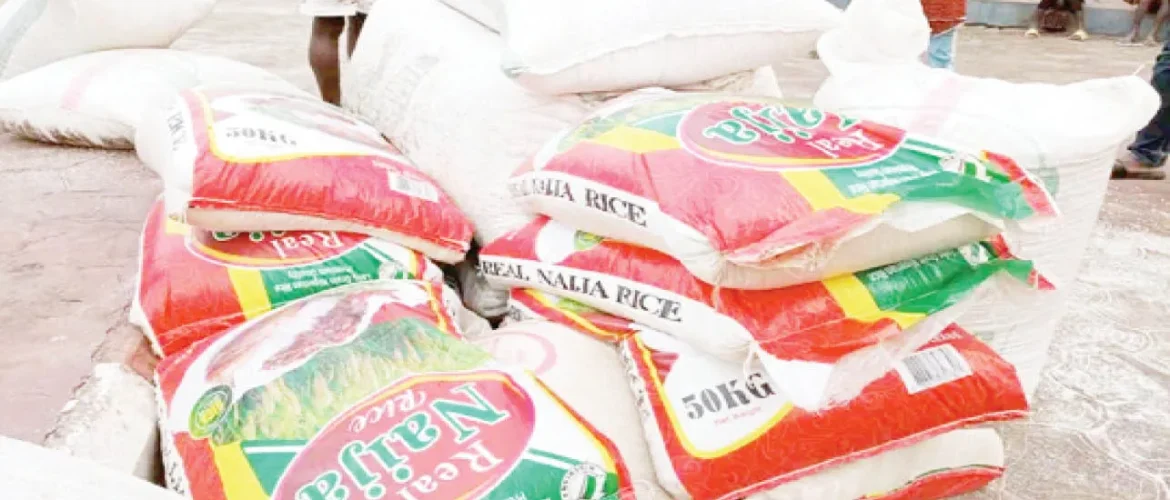
Suitroh Engineering Limited and FURSA Group have unveiled plans to strengthen food distribution and improve access to essential commodities in Northern Nigeria through an integrated trade and financial system designed to address supply-chain challenges and protect distributors against market price fluctuations.
The initiative, according to a statement, was discussed at the Suitroh Northern Stakeholders Conference 2026 held in Abuja, where manufacturers, financial experts and industry stakeholders examined ways to improve the movement of goods from production centres to consumers.
Speaking at the conference, the Chief Executive Officer of Suitroh Engineering Limited, Oderinu Ridwan Oyewole, said the company was developing a technology-driven ecosystem to connect manufacturers, distributors, wholesalers and retailers while improving transparency and efficiency across the supply chain.
He said the company’s Xventory platform would monitor product movement from manufacturers to distributors’ warehouses, wholesalers and retailers, while its financial services arm, Capstone Microfinance Bank, would facilitate transactions and the movement of funds among participants.
According to Oyewole, the objective is to establish a coordinated trade system that supports price stability, product availability and business expansion, particularly in Northern Nigeria.
“One of the things we actually want to do is to make sure that we build a product that allows price stability, scalability and availability to the ecosystem of trade in the northern region,” he said.
He added that the system was designed to address operational and financial gaps affecting the distribution chain, including payment collection and the movement of products between manufacturers and distributors.
Also speaking, the President and Chief Executive Officer of FURSA Group, Alhaji Abba Dantata, disclosed that the group’s food manufacturing subsidiary, FURSA Foods Limited, had increased its production capacity from 20 tonnes daily when it commenced operations in 2014 to approximately 340 tonnes.
Dantata said the company was targeting a minimum production capacity of 1,000 tonnes daily within the coming weeks as part of efforts to expand manufacturing and strengthen its distribution network.
He explained that the Abuja conference formed part of a wider stakeholder engagement and distribution partnership initiative, following similar engagements in the South-East, South-South and Ibadan.
The group also plans to diversify its food production portfolio beyond rice to include cooking oil, seasoning and water.
According to Dantata, the cooking oil project is expected to commence in the first quarter of 2027, while the other products are scheduled for development by the fourth quarter.
On challenges confronting distributors, Dantata highlighted a pricing arrangement intended to protect businesses against fluctuations in product prices after payments have been made, providing greater predictability for distributors operating within the network.
The financial dimension of the initiative was also examined by financial expert, Dr. Tunde Anirin, who stressed that trust alone was insufficient to guarantee successful commercial transactions.
He said businesses must identify potential risks and establish appropriate safeguards, including guarantees, letters of credit and escrow arrangements, to protect parties involved in trade.
Anirin also emphasised the need for legally binding contractual agreements between manufacturers and distributors, noting that sustainable commerce required balancing risks and returns without exploiting any party.
Dantata expressed optimism about the partnership with Suitroh, describing the company as a professional marketing organisation and saying the collaboration would take FURSA Group to greater heights.
The conference brought together stakeholders to explore opportunities for stronger collaboration across manufacturing, finance and distribution, with particular focus on the opportunities and challenges in the Northern Nigerian market.
UPDATE NEWS:
Nigerians can now invest ₦2.5 million on premium domains and profit about ₦17-₦25 million. All earnings paid in US Dollars. Rather than wonder,
click here to find out how it works.