

GTA 6 could cost Nigerian gamers N1.2 million, the console is the real headache
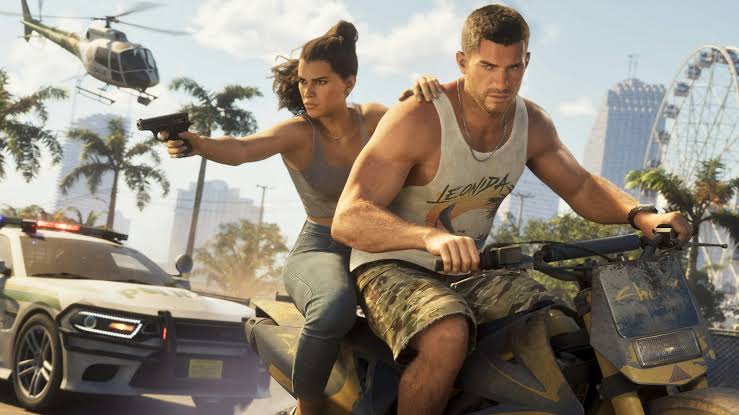
The release of Grand Theft Auto VI (GTA 6) is putting the purchasing power of Nigerian video game consumers into focus, with the acquisition of the console and the latest edition of the franchise estimated to cost more than N1.2 million.
The game, developed by Rockstar Games, was released on November 19, 2026, for PlayStation 5 and Xbox Series X|S, 13 years after the launch of its predecessor, GTA 5.
For Nigerian consumers who do not already own a compatible console, accessing the new title will require a considerable financial commitment, with the cost of the gaming hardware accounting for the bulk of the initial expenditure.
A breakdown published by Tomola Group on X estimates that purchasing a 1TB PlayStation 5 Slim for N1.094 million on Jumia and the standard edition of GTA 6, priced at $79.99, would bring the total to approximately N1.203 million.
The game’s standard edition translates to about N108,600 at an exchange rate of approximately N1,357 to the dollar, while the Ultimate Edition, priced at $99.99, costs about N135,800.
This brings the estimated cost of purchasing the console and Ultimate Edition to approximately N1.23 million.
The figures exclude potential bank charges, exchange-rate margins and internet costs associated with downloading the game.
Hardware accounts for most of the spending
The cost breakdown highlights the financial barrier facing consumers seeking to access the latest generation of video games in Nigeria.
At the quoted prices, the PlayStation 5 Slim accounts for approximately 91% of the total cost of purchasing the console and standard edition of GTA 6.
This means that while the game itself costs about N108,600, consumers without compatible hardware must first commit more than N1 million to access it.
The situation is different for existing PlayStation 5 and Xbox Series X|S owners, who only need to purchase the game, subject to the payment and exchange-rate costs applicable to their accounts.
The release also excludes owners of older consoles, including the PlayStation 4, which is not supported by Rockstar’s announced platforms.
According to a November 16 report by TheRadar, the standard edition is listed at $79.99 on the US PlayStation and Xbox stores, while the Ultimate Edition costs $99.99.
Using the Central Bank of Nigeria’s official exchange rate of N1,356.69 to the dollar on November 16, the standard edition translates to approximately N108,500.
However, the actual amount paid by Nigerian consumers could differ depending on the exchange rate applied by their banks or payment providers.
Download requirements add to consumer costs
Beyond the purchase of the console and game, Nigerian consumers also have to consider the cost of accessing the title online.
For consumers relying on mobile data or limited home internet subscriptions, downloading the game could represent another significant expense.
The requirement also means that purchasing a physical copy does not necessarily eliminate the need for a substantial internet connection.
This creates an additional cost consideration in a market where consumers already have to contend with imported hardware and foreign-currency pricing.
Nigeria’s N41.3 billion gaming market
The release comes as Nigeria’s video game market continues to attract attention as a consumer spending segment.
The report, which draws on 14 stakeholder interviews and 7,659 marketplace listings, provides an assessment of the country’s gaming hardware and physical game distribution market.
It identifies Lagos as the leading market by value, followed by the Federal Capital Territory, while PlayStation remains the dominant console brand.
The report also identifies action-adventure games and first-person shooters among the leading genres in the market.
However, the research highlights a structural challenge for the Nigerian gaming industry. Every console, accessory and physical game identified in the study was imported, with almost none of the spending reaching Nigerian game developers.
The report therefore presents an opportunity to examine how consumer demand for international gaming franchises can translate into economic activity locally, particularly for retailers, distributors and gaming centres.