Heed CBN’s Warning On Election Spending
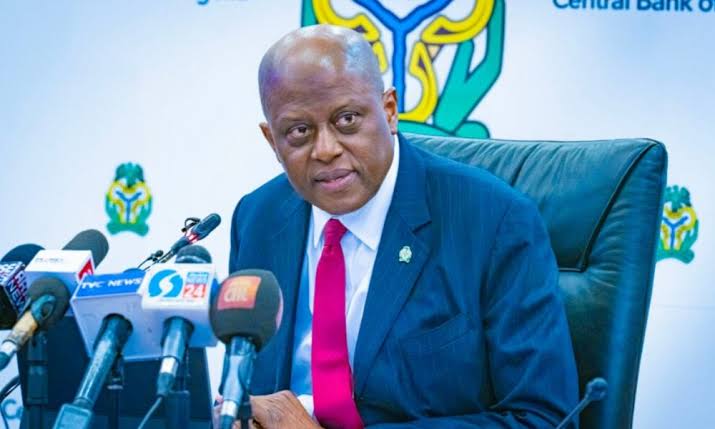
The Central Bank of Nigeria has sent a clear message to the political class, and it deserves to be heard well beyond the banking halls of Abuja. At the end of its 308th meeting recently, the bank’s Monetary Policy Committee held the Monetary Policy Rate at 23 per cent and left every other policy setting unchanged. In explaining its caution, the committee warned that “the anticipated increase in spending from the end-of-year festive season and election-related activities could impact aggregate demand with likely upward pressure on prices.”
In plain language, the central bank fears that the money about to flood the economy ahead of the 2027 elections could reverse the progress made against inflation.That progress is real, and it was dearly bought. Headline inflation has eased for five consecutive months and fell to 14.06 per cent in October from 14.63 per cent in September, its lowest level in about six years. Core inflation, which strips out the volatile prices of farm produce and energy, dropped to 10.78 per cent.
Gross external reserves stood at $54.02 billion as of November 17, enough to cover more than 10 months of imports. In September, the committee felt confident enough to cut the benchmark rate by 350 basis points from 26.5 per cent. Behind these figures lie two years in which Nigerian households endured a collapsing naira and the worst inflation the country had seen in nearly three decades.
The gains are also fragile. Food inflation, the measure that matters most to people experiencing poverty, remained at 19.13 per cent in October, well above the 16.30 per cent recorded a year earlier. The naira has come under fresh pressure in recent weeks, weakening to about N1,394 per dollar on the official market on Monday, while reserves have dipped. The CBN Governor, Olayemi Cardoso, has described these movements as seasonal and temporary, citing year-end adjustments by foreign portfolio investors and hedging by businesses. Tellingly, he also named election-related spending as one of the forces driving demand for foreign exchange.
Suffice it to say, Nigeria’s elections are among the most expensive anywhere, and the cost is borne long after the votes are counted. Every election cycle brings a surge of cash into the economy as candidates fund rallies, pay party agents, print campaign materials and, too often, buy votes outright. Much of this money is raised in naira, sometimes, critics allege, from public treasuries, and a good part of it chases dollars for foreign purchases or for safekeeping. The result is predictable. More naira chases the same goods, and prices rise for families who never saw a kobo of the campaign largesse.
Cardoso has raised this alarm before. In February, he told the National Economic Council that election-cycle spending had already injected significant liquidity into the economy and that such inflows had to be closely watched to avoid undermining the reforms that restored stability. Nine months later, with the general election only weeks away, the warning has become more urgent. The central bank can mop up liquidity with its own tools, but it cannot control what politicians and governments choose to spend. Monetary policy is fighting with one hand tied behind its back when fiscal discipline goes on holiday.
In our view, the federal government carries a special responsibility here. A government seeking re-election faces a strong temptation to open the taps, rush contracts and announce new spending in the final weeks of a campaign. Some of that spending may be legitimate, but when it is timed for political effect and funded with fresh borrowing, it feeds inflation and adds to a debt burden that is already heavy. President Bola Tinubu’s recent request for a $7.7 billion external loan and the government’s continued borrowing through domestic bond auctions should be examined with this risk in mind.
State governments, many of which have enjoyed larger federal allocations since the subsidy removal, must likewise resist the urge to turn their treasuries into campaign war chests. BudgIT’s latest State of States report found that Osun spent 28.6 per cent of its revenue on debt service in 2025, while Ebonyi paid its creditors almost twice as much as it earned internally. States in that position have no room for campaign extravagance.
The Independent National Electoral Commission and the anti-graft agencies also have a part to play. The Electoral Act sets limits on campaign spending, yet those limits are rarely enforced, and there is little record of any candidate being sanctioned for exceeding them. Vote-buying, which has become a fixture of Nigerian elections, injects cash into communities in ways that serve neither democracy nor the economy. The Economic and Financial Crimes Commission and the Independent Corrupt Practices and Other Related Offences Commission should monitor unusual cash movements in the run-up to the polls and act on what they find.
For its part, the CBN must remain vigilant and avoid the temptation to cut rates prematurely under political pressure. Cardoso has said his goal is single-digit inflation and that the bank “will not stop until we get there.” That is the right ambition, and it deserves the support of every arm of government. The committee meets again in February, after the presidential election. The bank should also be open with the public about how much liquidity it has had to absorb in the run-up to the polls, so that Nigerians can see the true cost of the campaign season. By February, Nigerians will know whether the political class listened.
There is a lesson from past election cycles that the country cannot afford to forget. Too often, the year after an election has been a year of economic pain, as the bills for campaign excess fall due and the currency pays the price. Households that have barely begun to catch their breath cannot bear another round of that cycle.Winning an election is no prize if the victor inherits an economy that the campaign itself has wrecked.
We’ve got the edge. Get real-time reports, breaking scoops, and exclusive angles delivered straight to your phone. Don’t settle for stale news. Join LEADERSHIP NEWS on WhatsApp for 24/7 updates →