NPERA begins full implementation of new law, targets lower port charges
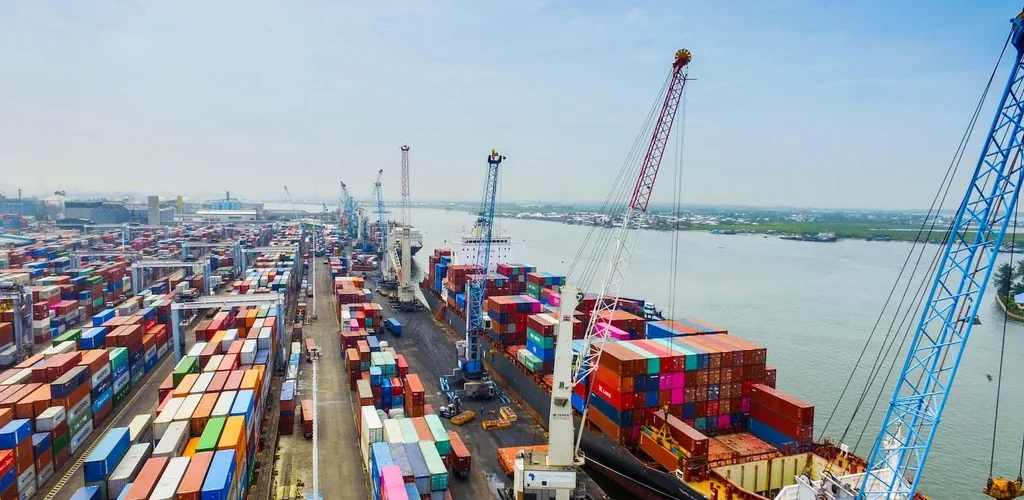
The Nigerian Port Economic Regulatory Agency (NPERA) has commenced steps towards the full implementation of its enabling law to address high port charges, service failures and other factors driving up the cost of doing business in the maritime sector, as well as achieving financial dependence through revenue generation.
Director-General of NPERA, Dr Pius Akutah, disclosed this at the opening ceremony of a three-day Strategic Management Brainstorming Programme for Directors, Deputy Directors and Assistant Directors of NPERA, in Lagos.
Akutah said the immediate priority of its transition process from the Nigerian Shippers’ Council (NSC) is to ensure financial sustainability, prevent regulatory gaps, protect the interests of the maritime industry, strengthen stakeholder confidence and establish a strong and clear regulatory framework for the agency.
He noted that the transition required careful planning to ensure that the new agency was adequately positioned to discharge its responsibilities, communicate its regulatory expectations to stakeholders while it establishes the institutional, legal and operational structures required to deliver on its regulatory mandate.
Akutah added that the agency was working to sensitise port operators, users and other stakeholders on the provisions of the new law, particularly their rights, responsibilities and limitations under the new regulatory framework.
He said NPERA had the powers to tackle persistent complaints relating to poor service delivery, high port charges and lack of competitiveness in the maritime sector.
According to him, the establishment of the agency was partly driven by the need to address these challenges and create a more competitive operating environment for shippers and other port users.
“That is one of the reasons why NPERA, as a law, was passed. We are looking at several complaints regarding failure of service in the sector, regarding non-competitiveness of our port sector, regarding all of these issues and that is why the law was passed,” he said.
Akutah stated that internal implementation activities were already underway, assuring stakeholders that the agency would provide further explanations of its regulatory responsibilities and ensure their participation in the transition process.
He disclosed the planned engagement with the National Assembly to brief lawmakers on the progress made towards implementing the agency’s new law.
kutah explained that the lawmakers are particularly interested in understanding how the new regulatory framework would translate into lower prices of goods, reduced import charges and a decline in the overall cost of doing business.
He stated that the agency would present its implementation progress, including the unveiling of its identity and logo by the supervising minister, the establishment of the Transitional Implementation Committee and the commencement of engagements with other government agencies.
Also speaking during the programme, Managing Partner at Paul Usoro & Co., Mfon Usoro, said the agency’s organisational structure must have clearly defined departmental responsibilities and establish functional relationships with other relevant maritime agencies.
Usoro, a former President of the Chartered Institute of Transport and Logistics (CILT) Nigeria, , said clear delineation of roles would prevent overlapping responsibilities, reduce interdepartmental conflicts and promote efficient service delivery.
WATCH TOP VIDEOS FROM NIGERIAN TRIBUNE TV