
Jega, Kukah urge Nigerians to demand accountability from politicians
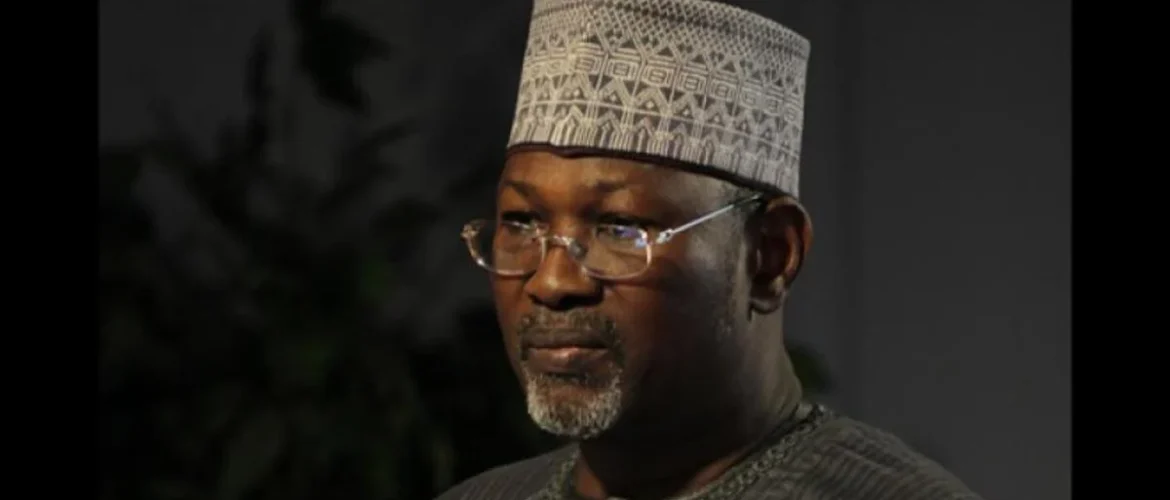
Former Chairman of the Independent National Electoral Commission (INEC), Prof. Attahiru Jega, and Catholic Bishop Matthew Hassan Kukah have called for greater public accountability, institutional transparency and responsible political communication ahead of the 2027 general elections.
They made the call at a public symposium in Abuja, jointly organised by The Kukah Centre (TKC) and the National Institute for Legislative and Democratic Studies (NILDS), with co-funding from the European Union (EU) under its Support to Democratic Governance in Nigeria (EU-SDGN) Programme.
The symposium, themed “Political Communication, Election Security and the Future of Nigerian Democracy,” brought together electoral officials, academics, political communication experts and civil society leaders to examine issues capable of influencing public confidence and electoral credibility in the 2027 elections.
ALSO READ: INEC backs code for independent tabulation of 2027 election results
In his message to participants, Bishop of Sokoto Catholic Diocese, Most Rev. Matthew Hassan Kukah, said the future of Nigeria’s democracy would largely depend on the decisions and actions taken by citizens and political leaders in the present.
“Nigerian democracy has a future, but this future will be determined by the present,” Kukah said.
He urged Nigerians to take greater responsibility for the country’s democratic development by critically scrutinising political candidates and demanding accountability from them during election campaigns.
Kukah stressed the need for citizens to ask critical questions and seek clear commitments from politicians before entrusting them with public offices.
Also speaking, Jega, who chaired the symposium, emphasised the critical role of effective communication by electoral management bodies in building public confidence in the electoral process.
“How an EMB communicates can be as consequential as the decisions it takes,” he said.
The former INEC chairman explained that timely, transparent and credible communication was essential to sustaining public trust, particularly in an electoral environment where misinformation and competing political narratives could influence perceptions of electoral institutions and their decisions.
He further noted that safeguarding electoral integrity was a collective responsibility that required the involvement of electoral authorities, political parties, civil society organisations, citizens and other relevant institutions.
The symposium also featured contributions from prominent figures in Nigeria’s democratic space, including Prof. Jibo, Prof. Ibeanu, INEC National Commissioner, Mallam Kudu Haruna, civic activist Aisha Yesufu and Samson Itodo of Yiaga Africa.
Discussions at the event focused on the growing influence of political communication on election management, the responsibilities of political actors in shaping public discourse and the need for stronger collaboration among stakeholders to safeguard electoral credibility and security.
Participants also examined the connection between public confidence and the conduct of electoral institutions, highlighting the importance of accountability, informed citizen participation and responsible political messaging.
The European Union’s support for the symposium is part of its broader efforts to strengthen democratic governance in Nigeria through the EU-SDGN Programme, which supports institutional accountability, democratic participation and constructive engagement between citizens and electoral institutions.
The organisers said the engagement provided an opportunity for stakeholders to examine emerging electoral challenges ahead of the intensification of political activities leading to the 2027 general elections.
The discussions underscored the need for Nigeria to complement improvements in the technical administration and security of elections with deliberate efforts to build public trust, promote responsible political communication and strengthen citizens’ capacity to hold political leaders accountable.
They maintained that sustained engagement among electoral institutions, political actors, civil society organisations and citizens would be crucial to protecting electoral credibility and strengthening Nigeria’s democratic future.
WATCH TOP VIDEOS FROM NIGERIAN TRIBUNE TV